


There are many benefits of private orthodontic treatment, from avoiding long NHS waiting lists to giving children more freedom over the type of braces they have.
Getting braces as a child or teenager can be quite daunting, and naturally some children can feel self-conscious about it. Going private gives families more options, from traditional metal braces and clear ceramic braces through to Invisalign clear aligners. This is just one of the benefits of private paediatric orthodontics but we’ll be covering much more in this guide.
According to Bupa, one in three children will need braces in their lifetime, so as a parent, knowing the different options available to you and your child, is important. Whilst some children qualify for free orthodontic treatment on the NHS, they have to meet specific clinical criteria, assessed using the Index of Orthodontic Treatment Need (IOTN). Waiting times can also vary quite a lot depending on where you live and the local provider.
Private paediatric orthodontics means you can fast track treatment for your child, select from a wider range of options, and access more convenient treatment times and appointments including late evenings and weekends.
We’ll start by answering some typical questions around what age your child can have braces and how they would qualify for free treatment vs the benefits of going private.
What Age Can My Child Have Braces?
Most paediatric orthodontic treatment starts at around ages 10-14, however some children can benefit from being assessed earlier, particularly if there are concerns about crowding, their bite, teeth not coming through properly or the way their jaws are developing.
Furthermore, whilst having braces as a child is helpful to guide the teeth and jaw as they are still developing, people can also benefit from braces after the age of 15 and into adulthood. This means alignment issues can be corrected at almost any age if teeth and gums are healthy.
What Braces Can My Child Have?
The type of braces your child can have depends on your child’s individual orthodontic needs, their age and development and whether treatment is being provided privately or through the NHS. For children who qualify for NHS orthodontic treatment, fixed metal braces are usually the main option.
These are available in a range of colours, from brighter to more subtle shades depending on what your child prefers. However, the biggest downside is that they are not discreet and your child will need to wear them throughout the full course of their treatment.
Going privately gives you considerably more choice. At Sensu this can include:
- Traditional metal braces – These are still a fantastic and very reliable option. Metal brackets and wires allow the orthodontic team a lot of control over how the teeth move and they can treat a very wide range of orthodontic problems.
- Advanced metal braces – We are also introducing newer brace systems such as Damon Ultima. These are modern self-ligating fixed braces designed to give the orthodontist very precise control of tooth movement. For suitable patients these systems may mean fewer appointments or longer gaps between appointments. Modern orthodontic techniques can also sometimes help us create space and treat patients without removing teeth, where clinically appropriate. It is important to say though, this isn’t possible for everyone and avoiding extractions shouldn’t be promised.
- Clear ceramic braces – These work in a similar way to traditional braces but use more discreet ceramic brackets which blend in better with the natural colour of the teeth.
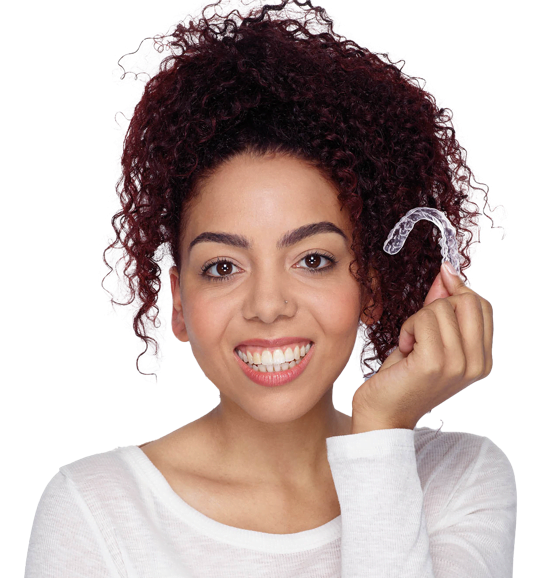
- Invisalign clear aligners – Invisalign uses a series of clear removable aligners to gradually move the teeth. There is also now a lot of Invisalign technology developed specifically around children, teenagers and growing patients.
We don’t offer lingual braces for children at Sensu. We feel there are better and more practical options available for younger patients.
Invisalign for Children and Teenagers
More than 22 million smiles worldwide have now been treated with Invisalign, including more than 5 million teenagers. As Invisalign aligners are removable, children can take them out to eat and drink and can brush and floss normally. However, Invisalign aligners need to be worn for around 20-22 hours a day to ensure treatment works as planned.
Fortunately there are a few different ways of helping to keep an eye on things. For example at Sensu, we can incorporate Invisalign Virtual Care AI into treatment for suitable patients. This means we can see how treatment is progressing between appointments, rather than having to wait until the next visit to find out something isn’t working correctly.
Patients can also use the My Invisalign app to upload photos of their teeth when changing aligners, so Invisalign’s technology can assess how well their treatment is tracking against their plan.
If something isn’t progressing as expected it can be flagged, meaning potential issues are able to be identified earlier. Reminders, progress photos and clinical monitoring can also help patients (particularly teenagers) stay more engaged with their treatment between appointments.
Who Qualifies for NHS Braces?
To qualify for free NHS treatment, your child must fulfil the Index of Orthodontic Treatment Need (IOTN) which checks their eligibility against a list of criteria. There are two parts to it – Dental Health Component (DHC) and the aesthetic component (AC) which we’re exploring below:
- Dental Health Component (DHC): This scores teeth from 1-5 based on issues such as overcrowding, missing teeth, prominent teeth and problems with the bite.
- Aesthetic Component (AC): Scores the appearance of the teeth from 1-10 by comparing them with a set of photographs.
If your child has a DHC score of 4 or 5, they would usually be eligible for NHS braces. Those with a score of 3 may qualify if they also have an AC score of 6 or higher.
It’s important to highlight that having crooked teeth doesn’t mean your child will automatically qualify for NHS braces, as their orthodontic needs must meet the required criteria.
NHS vs Private Paediatric Orthodontics
Knowing the differences between NHS braces and private braces can help you make the right decision for you and your child. Below we’re comparing these two options side-by-side, but if you have any questions regarding private paediatric treatment, just get in touch with our team.
| NHS Braces | Private Braces | |
|---|---|---|
| Waiting times | You might experience longer waiting times (sometimes 1–2 years) due to high demand. | Usually orthodontic treatment can start after your initial assessment with no waiting list. |
| Eligibility | Children must meet specific NHS clinical criteria (known as IOTN). | Treatment isn’t restricted by eligibility criteria. |
| Early treatment | Treatment usually starts once most adult teeth have come through (often between ages 7–10). | Earlier intervention may be considered if there is severe overcrowding. |
| Choice of braces | Traditional, fixed metal braces are usually the option offered on the NHS. | Children can enjoy more choice, including discreet options such as clear braces and lingual braces. |
| Appointments | Appointment availability depends on the NHS provider. | Sensu offer evening appointments at both London clinics, plus weekend appointments at London Bridge for added convenience. |
| Intervention stage | Waiting longer can mean alignment or bite issues need monitoring before treatment begins. | Faster access means alignment issues can be treated sooner. |
Explore Invisible Braces
Find out more about different times of invisible braces from clear, ceramic brackets to Invisalign.

What Are the Benefits of Private Paediatric Orthodontics?
The key benefits of private paediatric orthodontics are being able to access treatment quicker before issues worsen, and having more choice of treatment options.
Children between the age of 10-14 may be self-conscious about wearing traditional fixed metal braces as they are visible. However, by choosing a virtually invisible option such as Invisalign, it can sometimes help improve their confidence as people are often unaware that they are even wearing them.
This can further encourage children to maintain their orthodontic treatment as they feel more comfortable with wearing their aligners as part of their everyday routine.
How Much Does Private Paediatric Orthodontic Treatment Cost?
Every child is different, so the cost depends on the complexity of their teeth and bite, the type of brace being used and how long treatment is expected to take.
At Sensu, comprehensive private orthodontic treatment for children and teenagers is typically around £4,500-£6,000.
Following an assessment, we’ll explain what we recommend, why we’re recommending it, the likely timescale and the full costs before you decide if you want to go ahead.
Finance options are also available to help spread the cost.
Private Paediatric Orthodontic FAQs
-
The cost of treatment depends on the type of braces your child has and the complexity of their case. Your chosen orthodontist at Sensu will provide a personalised treatment plan and costs following your initial consultation.
-
Yes, children and teenagers can have Invisalign depending on their needs. Your orthodontist can assess whether clear aligners or fixed braces are the best option.
-
No. You can arrange a private orthodontic assessment directly with Sensu without needing to wait for a dentist or NHS orthodontic referral.
-
Absolutely. Metal braces are still an excellent treatment and for some children they will be a better option than Invisalign. We’re also introducing advanced metal systems such as Damon Ultima for suitable patients.
Does Your Child Need Braces? Benefits of Private Orthodontics for Children and Teenagers
If you’re considering alternatives to NHS braces, private treatment can give you more flexibility and more choice over the type of braces your child has.
At Sensu we’ve transformed more than 20,000 smiles since 2009 and provide specialist-led orthodontic care from our two Central London clinics. Our experienced team will help your child feel comfortable throughout their treatment, from their first consultation through to having retainers. We’re also the UK’s top specialist Invisalign Diamond Provider, providing specialist expertise for anyone considering clear aligners.
If you’d like to find out which type of braces could be right for your child, book a complimentary consultation (worth £350) with Sensu today.
With evening appointments at both Central London clinics and weekend appointments at London Bridge, hopefully we can make fitting treatment around school and family life a little easier too.
Book Your Free Consultation
Book a complimentary consultation at one of our central clinics in London, worth £350.